
Aso Ẹbi Ideas and Planning Guide for Weddings
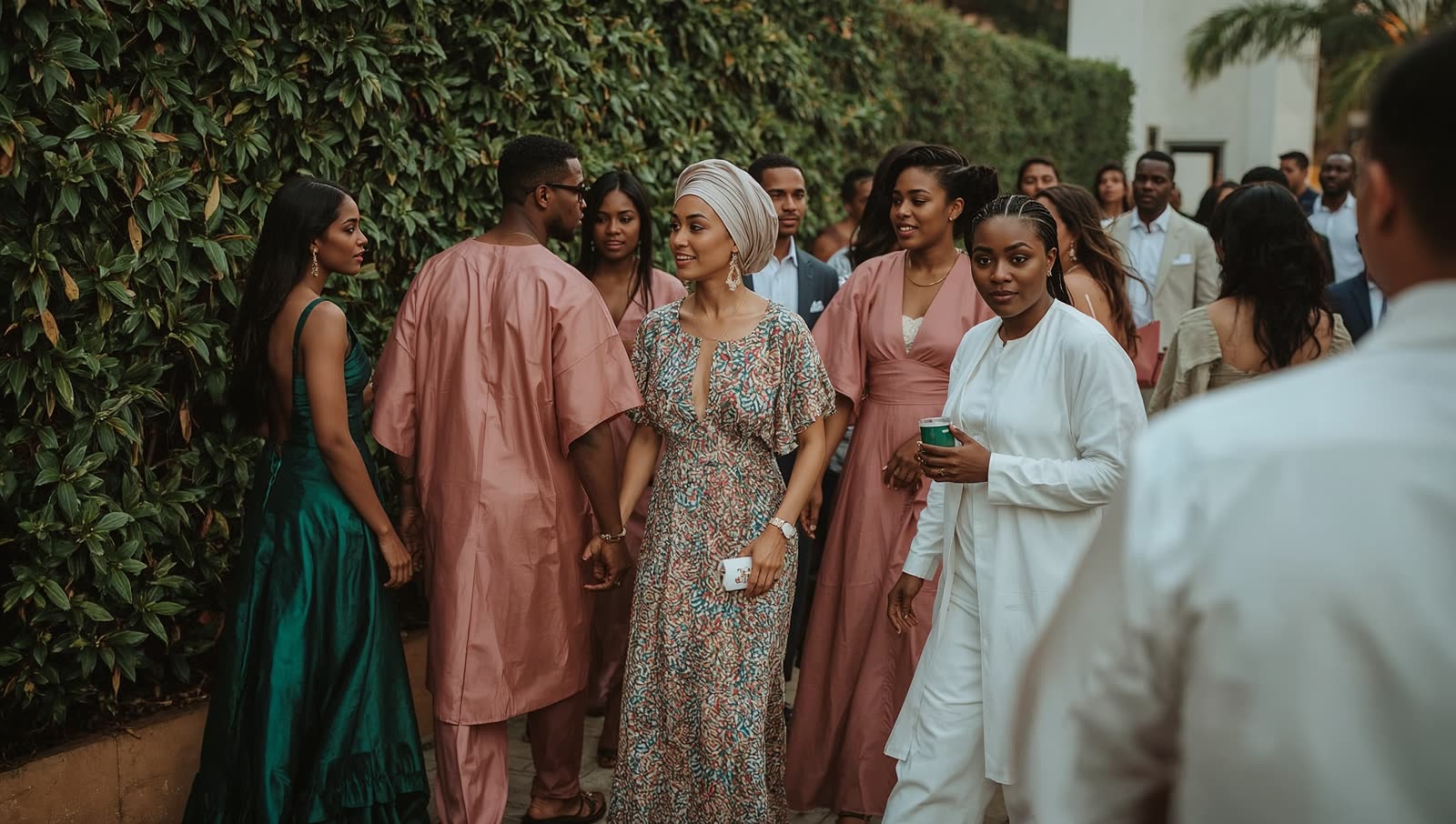
Find a look for yourself or make a plan the whole group can follow. The outfits can feel connected without being identical.
What do you need help with?
Planning for the group and choosing your own outfit are different jobs. Pick the one you are doing today.
What aso ẹbi means
Aso ẹbi is a Yoruba phrase often translated as family cloth. At weddings and other celebrations, family members and friends may wear the same fabric or coordinate their clothing to show their connection. You may also see it joined as asoẹbi.
The group does not need identical outfits. Decide what should match, such as the main fabric, a color, the gele or fila, or the embroidery. Then leave room for each person to choose a style that suits them.
Before anyone orders fabric or sends a design to a tailor, think about the weather and the shape of the day. Will people be sitting through a ceremony, moving between venues, carrying children, or dancing for hours? Those details matter as much as the inspiration photos.

Choose colors the whole group can work with
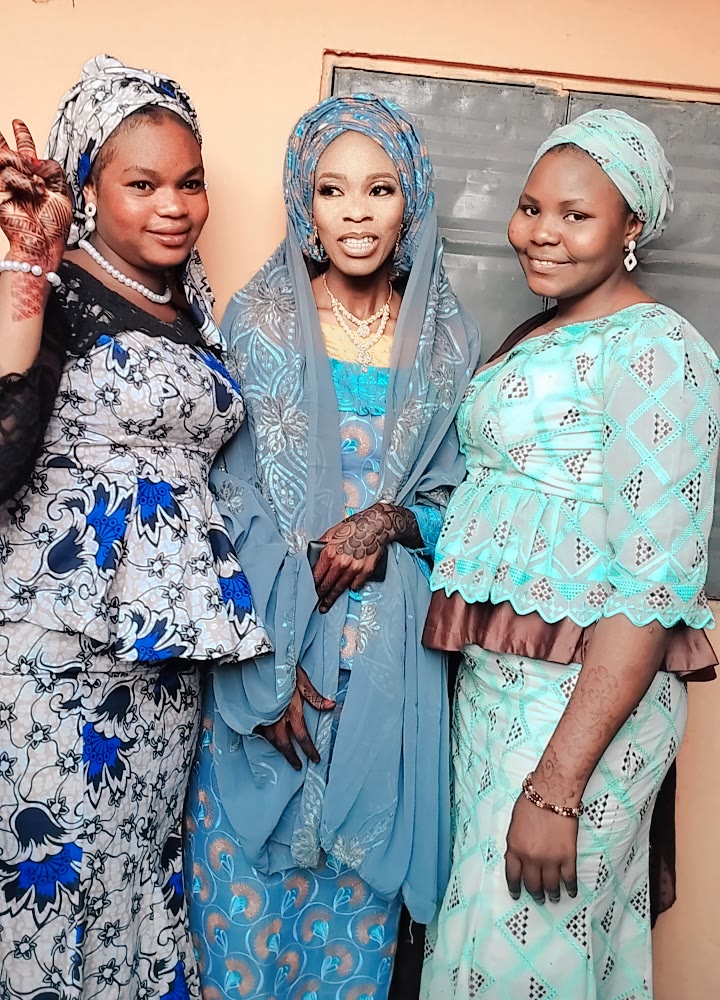
Start with one main color, one supporting color, and an optional accent. The main color should show up on most people. The supporting color can move between fabric and accessories, while the accent can appear in embroidery, headwear, jewelry, or shoes.
Do not choose from phone screenshots alone. Look at real swatches in daylight and indoor light. Lace, velvet, brocade, and shiny fabric can make the same color look completely different.
Three simple ways to coordinate the group
- Same fabric, different styles: everyone receives the same material and chooses their own outfit shape.
- Same colors, different fabrics: the host sets the colors, while guests choose material that suits their outfit and budget.
- One detail in common: outfits vary, but everyone repeats a gele, fila, sash, embroidery color, or pocket detail.
Check the fabric before choosing the final style
A design that works in cotton may not work the same way in lace, velvet, organza, jacquard, or handwoven cloth. Before anyone commits to a fitted gown, full agbada, structured sleeve, or large gele, show the actual fabric to the tailor.
Ask the tailor to check the width, weight, stiffness, transparency, stretch, pattern, and borders. There is no single yardage number that works for every person and every style, so confirm the amount after the tailor sees the fabric, design, and measurements.
Looking for outfit ideas?
Start with the guide that fits what you are wearing, then save the questions you want to ask your tailor.
Answer these before anyone buys fabric
- Is the fabric supplied, sold through one source, or left to each guest within a palette?
- What must match, and what can each guest choose for themselves?
- Will the group use one tailor, several tailors, or guest-selected tailors?
- Who confirms measurements, and in which units?
- When are fabric, measurements, fittings, corrections, and collection actually due?
- How can the outfit change for mobility, sensory, faith, pregnancy, or heat-related needs?
- Color
- Share real swatches or clear photos, not just a color name.
- Fabric
- Write down the source, width, care instructions, and which edge is the border.
- Tailoring
- Confirm the measurements, fitting dates, and who approves changes.
- Timing
- Leave enough time for corrections, travel, and missing accessories.
Aso Ẹbi Planning Brief
Prepared with the asemble editorial guide.
A checklist you can print and share
- Write the event date, venues, dress windows, and coordinator contact.
- Choose how the group will coordinate: same fabric, shared colors, or one repeated detail.
- Attach physical or photographed swatches in consistent lighting.
- Record fabric source, width, care notes, price, and collection method.
- List each guest group and the details that apply to that group.
- Confirm measurement names and units with the selected tailor or tailors.
- Ask about lining, structure, closures, pockets, movement, and footwear.
- Set dates for fabric confirmation, measurements, first fitting, corrections, and delivery.
- Record external payment instructions and who marks payment status.
- Note any changes needed for comfort, access, faith, pregnancy, or heat.
- Decide what guest information the tailor actually needs.
- Send one final brief and record any later changes in the same place.
Put the final plan somewhere everyone can find it
Once you have chosen the fabric, groups, measurement questions, payment instructions, and deadlines, asemble keeps them together. Each guest sees what applies to them, and the host can see who still needs to respond.
How this guide was prepared
The asemble editorial team reviewed museum collections and textile histories for cultural and fabric context. We then wrote the planning and fitting questions around the decisions families, guests, and tailors need to make. No single wedding, family, or region represents every aso ẹbi tradition, so confirm measurements, fabric amounts, construction, and care with the people making the clothes.
References
- Victoria and Albert Museum: Cloth of a continent, including aṣọ-òkè construction and dress examples.
- Smithsonian National Museum of African Art: Man’s garments, a Yoruba ensemble record.
- The Metropolitan Museum of Art: Aṣọ òkè, collection record and open-access object context.
Lead image credit
Hero image generated for asemble in Leonardo AI using Lucid Realism. Selected, cropped, and optimized for responsive display.
Corrections or source questions: hello@asemble.app.